Skip to content

Teeth whitening can make your smile pop, but it isn’t always risk‑free.
Many people notice a sharp taste, a bit of gum tingling, or temporary tooth sensitivity after a whitening session. Those feelings usually fade in a day or two, but if they linger, you might need a gentler plan.
Imagine you try a over‑the‑counter kit at home. You follow the directions, but the gel reaches the gums. You feel a burning sting and the gums turn pink. That’s a classic side effect – gum irritation. A simple fix is to use a lower‑strength product or ask a dentist for a custom tray that fits your mouth better.
Another scenario: you opt for a fast‑track in‑office bleach. The light brightens your teeth in an hour, yet you notice sharp pain when you bite cold drinks. This is tooth sensitivity, caused by the peroxide opening tiny pores in enamel. A short break from acidic foods and a fluoride rinse can calm it down.
To keep side effects low, follow these steps: 1) Test the gel on a small area first. 2) Use a desensitizing toothpaste before and after treatment. 3) Talk to a dentist about the right strength for you. For more on safe options, check out Dentist in Didsbury | Full Range of Dental Treatments & Cosmetic Care and get professional advice.
Table of Contents
- What Are the Common Side Effects of Teeth Whitening?
- How to Identify and Manage Adverse Reactions
- Comparing Professional vs. At‑Home Whitening: Risks & Side Effects
- Tips to Minimize Side Effects and Maintain Healthy Teeth
- Frequently Asked Questions
- Conclusion
What Are the Common Side Effects of Teeth Whitening?
When you whiten your teeth, the most frequent side effect is a brief tingle in the teeth or gums.
That feeling is called temporary tooth sensitivity. The peroxide in the gel opens tiny pores in enamel, letting cold or sweet triggers reach the inner dentin.
Clinical studies show that anywhere from 30 to 78 percent of patients notice some level of discomfort during or right after a bleaching session, most of it fades within a day or two.
If you’re prone to sensitivity, try a lower‑strength product or swap your regular paste for a desensitising one for a week before treatment. A fluoride rinse after the session can also calm the nerves.
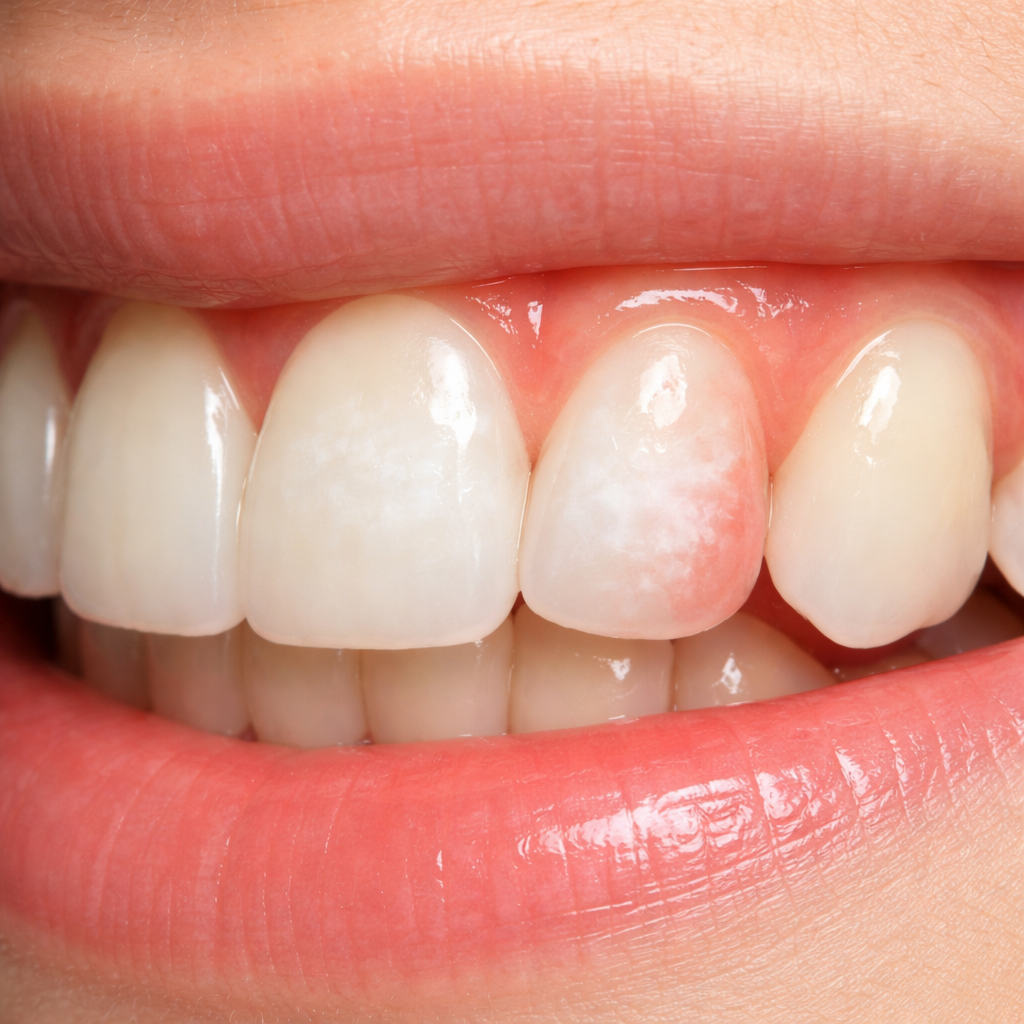
Another common complaint is gum irritation. Gel that leaks onto soft tissue can cause a pink, burning sensation that usually settles once the gel is cleaned away.
A dentist‑made tray fits your mouth tightly, keeping the gel away from the gums. Even an over‑the‑counter kit can be safer if you trim the tray to avoid contact. Learn more about why a custom tray can prevent gum irritation.
High‑strength gels (35 % peroxide or more) can create tiny pores in the enamel surface. In lab tests those pores look like a faint frosting, but they usually fill back in within weeks when you brush with fluoride. That’s why many dentists recommend a 10 % carbamide peroxide kit for a gentle, steady lift.https://www.youtube.com/embed/PGzJyKx3uls
Avoid long‑lasting contact and skip the extra LED light if the product already promises good results. Shorter exposure cuts the chance of both sensitivity and enamel softening.
Quick checklist: 1) Test gel on one tooth first. 2) Use a desensitising toothpaste 3‑5 days before and after. 3) Keep the gel away from gums with a custom tray. 4) Stop treatment if pain lasts more than 48 hours and call your dentist.
How to Identify and Manage Adverse Reactions
When a whitening gel hits your gums or seeps into a tooth, your mouth sends a quick warning.
Spot the signs early
First sign is a sharp tingle when you sip cold water. That’s temporary tooth sensitivity. It usually fades in a day or two, but if it hangs on longer, note the duration.
Second sign is a pink or burning feeling along the gum line. That’s gum irritation, often caused by gel leaking from a loose tray or strip.
Both reactions are mentioned as the most common teeth whitening side effects in a dental blog temporary tooth sensitivity.
Quick relief steps
1. Rinse with cool water right after you notice discomfort. It washes away excess gel.
2. Switch to a toothpaste made for sensitive teeth for a week before and after each session.
3. Apply a thin layer of fluoride gel or rinse to help the enamel seal back up.
4. If you’re using a tray, trim it so it hugs the teeth but doesn’t press on the gums.
Also, avoid very hot, cold, or acidic drinks for the next 24 hours. A mild mouthwash with potassium nitrate can calm nerves.
Read the product label carefully; never exceed the recommended time or frequency.
When to pause and call
If pain lasts more than 48 hours, or the gum redness spreads, stop the treatment immediately.
Give your dentist a call. A professional can check for hidden cavities or suggest a lower-strength gel. Professional guidance is key to keeping side effects short reduces risk.
Remember, the goal is a brighter smile, not a hurting one. Follow these steps, listen to your mouth, and you’ll keep the side effects brief.
Stay patient, and your smile will brighten without lingering pain.
Comparing Professional vs. At‑Home Whitening: Risks & Side Effects
Professional whitening can give you a bright grin fast, but the strong peroxide can also make your teeth feel like ice. At‑home kits are gentler, yet they can still cause sore gums if you miss a spot.
What the science says
One dental practice notes that both methods can cause tooth sensitivity and gum irritation, but the chance of a strong reaction rises with higher‑strength gels used in the office professional treatments. The same source warns that over‑use of at‑home kits may wear down enamel over time.
Key differences at a glance
| Method | Typical side effect | Risk level |
|---|---|---|
| In‑office whitening | Sensitivity lasting 1‑2 days | Medium – strong gel, but dentist watches you |
| At‑home kit | Gum irritation from leaking gel | Medium‑high – user may apply too much |
| Hybrid (dentist‑made tray for home) | Mild sensitivity, occasional gum tick | Low – custom fit lowers gum contact |
So, which path feels right for you? If you have deep stains, the office route may save you weeks of effort. If you prefer privacy and a lower cost, a good at‑home kit works – just follow the label.
Practical steps to keep side effects low
1. Test the gel on one tooth first. If you feel a sharp tingle, pause and talk to a dentist.
2. Use a toothpaste for sensitive teeth a few days before and after each session.
3. Keep the gel away from gums. A dentist‑made tray fits tight and stops leaks.
4. Limit exposure. Follow the recommended time – don’t leave the gel on longer hoping for a whiter shade.
If you notice pain that lasts more than two days, or the gum stays red, stop the treatment and call your dentist. A quick check can prevent a small problem from becoming a big one.
Remember, the goal is a bright smile, not a hurting one. Choose the method that fits your life, and take these simple steps to keep the side effects short.
Tips to Minimize Side Effects and Maintain Healthy Teeth
You’ve got a brighter smile on the way, but you don’t want the joy to turn into a sore mouth. Here are the plain‑talk steps that keep the teeth whitening side effects short and keep your teeth happy.
Pick a gentler gel
If you use an at‑home kit, choose the lowest peroxide level that still gives a noticeable lift. Less peroxide means less chance the enamel will get porous and spark a tingle. This tip comes straight from a Hills‑boro dentist who writes about how to avoid sensitivity after teeth whitening.
Use a desensitising toothpaste
Swap your regular paste for a desensitising one a few days before you start and keep using it for a few days after. The ingredients block the pain signals and help seal the dentin that the gel may have opened up.
Avoid hot and cold for a while
Right after a session, skip ice‑cold drinks and steaming coffee. Extreme temps hit the fresh enamel hard and can make the ache worse. Stick to room‑temperature foods and drinks for about 48 hours.
Does that sound doable? It’s just a short habit change for a longer‑lasting grin.
Give your teeth a fluoride boost
A fluoride rinse or gel after whitening helps the enamel fill back in faster. Use it once a day for a week, and you’ll notice less sensitivity.
Watch the signs and pause if needed
If a sharp tingle lasts more than two days, or the gum stays pink, stop the treatment and call your dentist. A quick check can stop a small issue from becoming a big one.
Stick to these simple steps, and the only thing you’ll notice is a brighter, comfortable smile.
Frequently Asked Questions
What are the most common teeth whitening side effects?
The two side effects you’ll hear about most are temporary tooth sensitivity and gum irritation. Sensitivity shows up as a sharp tingle when you sip something cold or sweet, usually within a few hours of the treatment. Gum irritation feels like a pink, burning line where the whitening gel touches soft tissue. Both usually fade in one to two days if you follow simple care steps.
How long does tooth sensitivity last after whitening?
Most people find the sensitivity peaks within the first 24 hours and then drops off. If you’ve used a low‑strength gel, the feeling may disappear after a single day. With higher‑strength products it can linger up to 48 hours, but it rarely lasts longer than three days. Rinsing with cool water and switching to a desensitising toothpaste can speed up relief.
Can I prevent gum irritation during at‑home whitening?
Yes, a few tweaks can keep the gel off your gums. Choose a custom‑fit tray or trim a generic one so it hugs each tooth without pressing on soft tissue. Apply a thin layer of gel and wipe away any excess before inserting the tray. After each session, rinse your mouth with water to clear stray gel and reduce pinkness.
Should I stop whitening if I feel a tingle?
If the tingle turns into a sharp, persistent pain that lasts beyond two days, pause the treatment and call your dentist. A brief sting that fades after a few hours is normal, but prolonged discomfort can signal that the enamel needs more time to seal. Stopping early prevents a small irritation from becoming a bigger problem.
Is it safe to use desensitising toothpaste before whitening?
Using a desensitising toothpaste for a few days before you start a whitening session is widely recommended. The potassium nitrate or stannous fluoride in the paste blocks the nerve signals and helps seal tiny pores that the peroxide may open. It won’t affect the whitening result, but it can cut the sting in half.
Are there any long‑term risks from repeated whitening?
Repeating a whitening routine every few months is generally safe when you keep the peroxide concentration low and follow a dentist’s advice. Over‑use of high‑strength gels can wear down enamel and increase sensitivity over time. To protect your smile, alternate with a maintenance toothpaste, limit the number of full‑strength cycles, and schedule regular dental check‑ups.
Conclusion
All told, the most common teeth whitening side effects are a brief tingle in the teeth and a pink feeling in the gums. They usually fade in a day or two if you follow the simple steps we’ve covered.
Keep a fluoride rinse handy, use a desensitising toothpaste before and after each session, and stop the gel if the sting lasts more than 48 hours. Trim any tray that presses on soft tissue, and give your mouth a cool‑water rinse right after you finish.
So, what’s the next move? Give your dentist a quick call to pick the right strength for you, and stick to the routine. A brighter smile doesn’t have to come with lingering pain – just a little care and common sense.
Remember, the goal is a safe, steady lift, not a rushed flash. Take each session at a comfortable pace and let your teeth heal before you start the next round.