

Specialist Dental Implants Manchester

Specialist Dental Implants Manchester

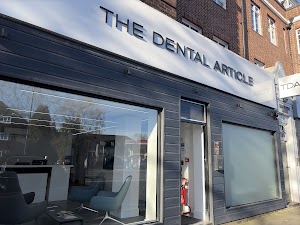
Considering Dental Implants?.
A considered approach, planned carefully from the first consultation.
We provide dental implants in Manchester, including single tooth implants, full mouth dental implants, and All-on-4 dental implants.
- Specialist-Led Care (360° Perspective)
- Planned Before Anything Is Done
- Everything Under One Roof
- Private, Calm Environment
Considering Dental Implants?.
A considered approach, planned carefully from the first consultation.
We provide dental implants in Manchester, including single tooth implants, full mouth dental implants, and All-on-4 dental implants.
- Specialist-Led Care (360° Perspective)
- Planned Before Anything Is Done
- Everything Under One Roof
- Private, Calm Environment

How the Dental Implant process works
Step 1
Start With a Free Consultation
A private discussion to understand your situation and options.
Step 2
Plan Before Anything Is Done
Time taken to assess, review, and plan properly.
Step 3
Proceed Only When Ready
Decisions made thoughtfully, without pressure.
How the Dental Implant process works
Step 1
Start With a Free Consultation
A private discussion to understand your situation and options.
Step 2
Plan Before Anything Is Done
Time taken to assess, review, and plan properly.
Step 3
Proceed Only When Ready
Decisions made thoughtfully, without pressure.
EXCELLENTTrustindex verifies that the original source of the review is Google. Excellent dental practice. Very friendly and skilled staff, great facilities and overall positive experience. Highly recommend.Posted onTrustindex verifies that the original source of the review is Google. Super clinic. You can feel they really care. Each dentist is in a speciality of their own so you know you’re getting expert advice. On to the next step with planning my implants!! Well reassured thank you guysPosted onTrustindex verifies that the original source of the review is Google. Really knows his stuff, very calming attitude. Treatment was explained in easy to understand language. Was also expecting the cost to be higher than it was. Can't recommend Dr Barzy enough.Posted onTrustindex verifies that the original source of the review is Google. Amazing experience. Had initial Invisalign assessment to see I was suitable. A 3D scan was taken and it was refreshing to see the detail to which the clinic plans the cases. Very very reassured. Cannot wait to see what the results will be. If you’re thinking about Invisalign you’re in SAFE HANDSSS!!!Posted onTrustindex verifies that the original source of the review is Google. A really friendly environment and such lovely staff 100% reccomendPosted onTrustindex verifies that the original source of the review is Google. Dr. Barzy delivers an exceptional, high-end dental experience. His attention to detail, professionalism, and expertise—especially as a specialist in Invisalign—set his practice apart. The space is modern, refined, and reassuring, and the care feels truly bespoke. Highly recommendPosted onTrustindex verifies that the original source of the review is Google. I initially came in with wisdom tooth pain and was assessed by Dr Barzy, who explained everything clearly and reassured me before referring me to the specialist, Mohammed, who carried out the wisdom tooth extraction and carefully explained the aftercare and healing process. Even the X-rays were taken in house, meaning I didn’t have to attend anywhere else, which made the whole experience far more convenient. After the extraction, Dr Barzy took the time to discuss my smile goals with me and talked me through options such as Invisalign and teeth whitening. I really liked that the entire process was handled under one roof with no long delays. The team are welcoming and friendly from reception through to the dentists, and the clinic has a calm, pleasant atmosphere. I felt well looked after throughout and would highly recommend Dr Barzy and the clinic.Posted onTrustindex verifies that the original source of the review is Google. Outstanding care from an incredible team. The specialists are knowledgeable and took great care of me during my Invisalign treatment. Clean, modern office and excellent service all aroundPosted onTrustindex verifies that the original source of the review is Google. Amazing care, Barzy goes above and beyond, the best!Posted onTrustindex verifies that the original source of the review is Google. Had a really positive experience with The Dental Article. The whole team were great and friendly.Verified by TrustindexTrustindex verified badge is the Universal Symbol of Trust. Only the greatest companies can get the verified badge who has a review score above 4.5, based on customer reviews over the past 12 months. Read more
Dental Implant Cost & Finance Options
Single Dental Implants
- Flexible Payment Options
from £69.84/month**
or from £3,004 in full
Same Day Full Mouth Implants
- Flexible Payment Options
from £346.39/month**
or from £14,897 in full
*Representative example: Finance available over 60 months at 14.9% APR. Monthly payments shown are based on representative credit. Total amount repayable will vary depending on your individual circumstances. Credit subject to status and provided by our finance partner.
Implant Cost & Finance Options
Single Dental Implants
- Flexible Payment Options
from £69.84/month**
or from £3,004 in full
Same Day Full Mouth Implants
- Flexible Payment Options
from £346.39/month**
or from £14,897 in full
*Representative example: Finance available over 60 months at 14.9% APR. Monthly payments shown are based on representative credit. Total amount repayable will vary depending on your individual circumstances. Credit subject to status and provided by our finance partner.
Meet our Dental Implant Specialist
Mr Mohammed Anabtawi, GDC 254833
Consultant Oral & Maxillofacial Surgeon MD, BDS, MFDS RCSI, MRCSI, FRCSEng OMFS, MSC OMFS
- Specialist in Oral and Maxillofacial Surgery, with expertise across advanced dental implants, bone reconstruction, and complex facial procedures.
- From full-arch rehabilitation to corrective jaw surgery, each case is delivered with precision, predictability, and care.
- A clinician and educator, trusted by peers across the UK. He now brings his expertise to The Dental Article in Didsbury, providing cosmetic and implant care at the highest level.

Meet our Dental Implant Specialist
Mr Mohammed Anabtawi, GDC 254833
Consultant Oral & Maxillofacial Surgeon MD, BDS, MFDS RCSI, MRCSI, FRCSEng OMFS, MSC OMFS
- Specialist in Oral and Maxillofacial Surgery, with expertise across advanced dental implants, bone reconstruction, and complex facial procedures.
- From full-arch rehabilitation to corrective jaw surgery, each case is delivered with precision, predictability, and care.
- A clinician and educator, trusted by peers across the UK. He now brings his expertise to The Dental Article in Didsbury, providing cosmetic and implant care at the highest level.
Are Dental Implants for You?
This consultation is for people who are:
- Missing one or more teeth
- Managing loose or failing bridges or dentures
- Considering a fixed, long-term solution
Implant FAQ
Cost
How much do dental implants cost?
This can vary dependant on how complicated your individual treatment is.
It is a treatment option which requires a great amount of skill and training to perform safely and optimally. The products used are highly advanced and the technologies used are innovative. This is reflected in the cost.
Individual treatment costs should be provided at the planning stage and payment plans discussed with the practice providing care.
Are dental implants more expensive than other tooth replacement options?
While dental implants can have a higher initial cost than dentures or bridges, they are a long-term solution designed to last many years. This often makes them more cost-effective over time, with better comfort, function, and durability.
I've seen them cheaper abroad...
Caution should be exercised when considering travelling abroad for such treatment, as dentistry outside of the UK may not be as well regulated. Although the price tag may seem attractive, the quality of care and products may not be of the same high standard.
Implant brands available in some countries may not be available in the UK, making subsequent maintenance or urgent care more difficult if the correct equipment is not available. This can result in the need for multiple trips abroad if there are issues and this should be discussed with the provider.
If there are issues following provision of such treatment obtained through ‘dental tourism,’ the NHS is not obliged to remedy it and only urgent care to treat pain and infection will be available. It can be costly to re-treat as a private option in the UK.
Excellent advice is available from the General Dental Council below
Process
What are dental implants?
Dental implants are a long-term, dental rehabilitation option for when the natural teeth have been, or are going to be, lost. They are sometimes called ‘osseointegrated’ implants, and they consist of a screw or post (usually made from titanium, but they can be ceramic too) that is placed surgically into the jawbone. The jawbone heals closely against the surface of the implant to retain it, i.e., it ‘integrates’ with the bone.
How does the dental implant process work?
Implants act like replacement tooth roots to which a new crown (the tooth you see above the gum) or bridge (a group of missing crowns/teeth) can be screwed or cemented. They can also be used in fewer numbers to support and hold in removable dentures, often via ‘press-stud’ like attachments or a bar. Because the implants are anchored in the jawbone, they provide greater stability and retention of prosthetics such as crowns, bridges and dentures.
Where single teeth have been lost, implants can replace the tooth and root as an individual unit, preserving and protecting the neighbouring tooth structure.
They are not an instant option and require careful planning, skilled placement, a period of healing, fabrication of the new teeth and long-term maintenance and aftercare. They require a significant commitment from the patient and skilled execution from the clinician.
What are the benefits of dental implants?
Treatment
Who is suitable for dental implants?
Most healthy adults with good oral health are suitable candidates for dental implants. During your consultation, we’ll assess your gums, jawbone, and overall health to confirm suitability.
How long do dental implants last?
Are dental implants safe?
Aftercare & Recovery
Is the dental implant procedure painful?
The procedure is carried out under local anaesthetic, so discomfort is minimal. Most patients report only mild soreness during recovery, which can be managed with standard pain relief.
How long does it take to recover from dental implant surgery?
Are there any restrictions after getting dental implants?
You may be advised to eat softer foods for a short period and avoid strenuous activity immediately after surgery. Full aftercare instructions will be provided.
Long-Term Care
How do I care for dental implants?
Self-care is the most important aspect of maintaining your implants. As the placement of dental implants and replacement tooth or teeth can make maintaining oral hygiene more challenging, full, customised instruction will be given by a clinician, tailored to your individual needs. It is essential that bacterial plaque around the gum-line is kept to a minimum to prevent inflammation, disease progression and loss of the implant.
The dentist can aid this process by ensuring the shape of the prosthesis allows for adequate cleaning.
Regular professional surveillance and maintenance will be required. A dental hygienist may need to see you regularly to ensure optimum plaque control is maintained and to support you with self-care techniques and products such as specific brushes, interdental brushes and flosses.
Occasionally fixed prostheses need to be removed to facilitate professional cleaning.
Denture care is very important to keep the skin in the mouth healthy and to prevent plaque-induced disease around the implants. They are often hidden beneath the denture and the material the denture is made from can cause a greater amount of bacterial plaque to collect around the implants. Different care regimens are needed depending on which materials your denture is made from.
Guidance on the appropriate self-performed oral hygiene around implants can be found within the BSP patient information leaflet entitled “Caring for your Implant.”
Can dental implants fail?
Implant failure is rare, especially with good oral hygiene and professional care. Factors such as smoking or untreated gum disease can increase risk, which will be discussed during your consultation.
Request Consultation Now
Request Consultation Now
Contact Information
- The Dental Article, Invisalign Provider Didsbury
- 810 Wilmslow Road, Didsbury M20 6UH
- WhatsApp Us
- 0161-560-8121
- hello@dentalarticle.co.uk